
Traffic Control Equipment Rental: How to Safely Direct Traffic Around Your Project Site in Montgomery, AL
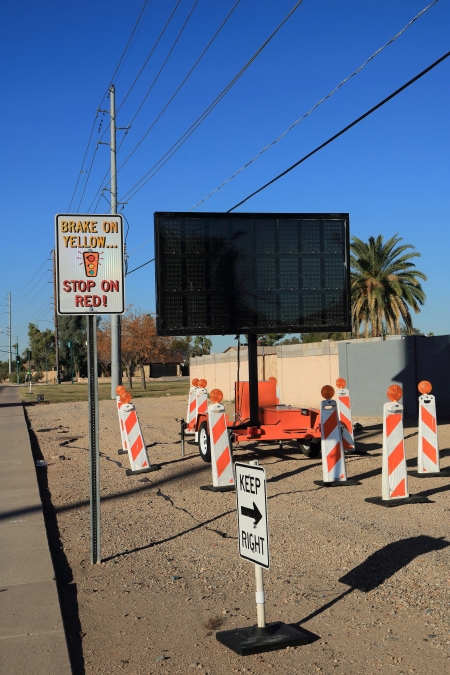
When work begins, safety and clear direction keep your project moving. If you need dependable traffic control equipment rental in Montgomery, AL, Your Striping Guy LLC helps you choose the right mix of cones, drums, barricades, and signs so drivers, pedestrians, and your crew know exactly where to go. In this guide, you will learn what gear to use, how to plan a simple routing strategy, and what to watch for around local roads and neighborhoods.
Why Traffic Control Planning Matters In Montgomery, AL
Montgomery’s busy corridors like I-85, I-65, Taylor Road, and the Downtown riverfront draw steady traffic throughout the week. Events near Riverwalk Stadium, Old Cloverdale, and EastChase can spike volumes and reduce driver patience. A clear plan supported by visible devices lowers confusion and keeps work areas calm. It also reduces near-miss incidents and helps your schedule stay on track when weather or rush hour compresses work windows.
Choosing the Right Gear: Cones vs. Drums vs. Barricades
Not all channelizing devices do the same job. The right choice depends on speed, lane width, sight lines, and how long the setup stays in place.
Cones
Cones are quick to deploy and ideal for short-duration work or daylight tasks with slower speeds. They help draw soft tapers and guide cars through gentle shifts. Add weighted bases when wind or truck drafts are likely.
Drums
Drums deliver higher visibility than cones and stand up better to wind and night conditions. Their size and reflective bands make them a strong choice for multi-day projects, shoulder closures, and areas with heavy trucking.
Barricades
Barricades create a clearer “do not enter” signal for drivers and walkers. Type I and II work well for lower-speed streets, project entrances, and staging areas. Type III and water-filled barriers offer stronger separation where you need a firmer visual wall or to steer pedestrians around hazards.
Portable Sign Stands and Smart Messaging
Portable sign stands put the right message in the right place. Use them to alert drivers before they reach your taper, mark lane shifts, or protect crosswalks and detours. Keep copy short and predictable so drivers can read it in seconds. For added attention, pair stands with high-visibility flags or a compact arrow board when approach speeds rise or sight lines are limited.
How Many Cones Do You Need for a Lane Closure?
It depends on several factors: approach speed, taper length, lane width, and whether the work extends after dark. On a calm neighborhood street, spacing can be tighter and the taper shorter than on a faster arterial. Night work, curves, and hills often call for more reflective surface area and closer spacing so drivers can process changes sooner. When you contact Your Striping Guy LLC, our team will ask about your street type, expected speeds, the time of day, and whether any driveways or cross-streets sit near the taper. Then we’ll size a cone-and-drum mix that fits your field conditions and helps your crew maintain a steady rhythm.
Local insight: Summer storms in Montgomery can pop up fast and push light devices out of line. Choose weighted drums or add sandbags on wind-prone stretches, especially near open areas along I-65 and I-85.
Build a Simple, Safer Construction Site Traffic Routing Plan
A practical routing plan keeps vehicles predictable and pedestrians protected. Think of the path as a story drivers follow from first notice to final merge. Here is a clean way to structure it without overcomplicating your site:
- Advance warning: a portable sign stand alerts drivers early and sets expectations.
- Taper and shift: cones or drums draw a smooth, visible path around your work.
- Buffer and workspace: extra room shields your crew and equipment.
- Pedestrian routing: barricades and signs create a safe, obvious walkway.
- Termination: a short taper returns traffic to normal with clear cues.
Keep messages consistent from the first sign to the last device. If the first sign says “right lane closed,” do not switch to “merge left” midstream. Consistency reduces split-second decisions and keeps frustration down during rush periods near Downtown, Maxwell AFB, or school drop-off zones.
Site Setup Checklist For Safer Work Zones
Use this quick list to confirm the basics before day one and after each move-up:
- Visibility: clean reflective bands and face devices toward approaching traffic.
- Spacing: keep gaps uniform; adjust if drivers stray or clip the taper.
- Height and stability: add weight when wind picks up or trucks pass close.
- Pedestrian control: barricades and signs form clear, continuous paths.
- Lighting: ensure night gear is visible under streetlights and headlamps.
- Access: keep driveways and emergency routes open and marked.
- Inspection: walk the zone at start, midday, and end of shift.
Weather, Events, and Local Conditions To Watch
Montgomery heat can soften asphalt and loosen light devices. Afternoon storms and quick gusts shift cones at project edges, especially near open parking lots by EastChase and Chantilly Parkway. Game nights and festivals downtown compress lanes and increase lane-change conflicts around bridges and the riverfront. Plan for heavier signage and sturdier drums when your schedule runs into evening or weekend events.
Coordinate Traffic Control With Clear Ground Markings
Even the best signs need clean, readable pavement lines to finish the story for drivers. Fresh striping through detours or temporary crosswalks keeps paths obvious for deliveries, school traffic, and visitors. If your project includes parking areas or a curb-to-curb refresh, pair your device plan with our line marking service so vehicles land exactly where you want them. Strong markings also make takedown smoother because drivers already understand the route.
Protect Pedestrians Where They Need It Most
Schools, churches, hospitals, and busy shopping centers demand extra attention. Use barricades to create generous, continuous walkways and avoid pinch points at curb ramps or driveway aprons. Add portable sign stands at decision points so walkers know when to cross and where to wait. Keep pedestrian paths protected from backing trucks and equipment by adding a little more buffer than you think you need.
Common Mistakes To Avoid
Rushing setup leads to mixed messages and driver confusion. Skipping the advance warning sign forces last-second merges. Leaving wide gaps allows cars to cut across the taper. And not checking devices midday means you miss wind shifts or crowded periods near schools or lunchtime traffic. Replace damaged devices immediately and reset any that drifted out of line.
How Your Striping Guy LLC Sizes and Stages Your Rental
Our team starts with your location, schedule, and work type. We right-size a cone, drum, barricade, and sign mix for approach speed and sight lines, then package it for fast staging. If the site evolves, we can adjust your rental and swap pieces so you are never short on visibility. When marking and surface prep are part of the scope, consider adding sealcoating to protect fresh lines and extend the life of your lot once traffic returns.
Where To Place Signs So Drivers Actually See Them
Signs work only when drivers have time to think. Put the first notice where sight lines open up and distractions are lower. Keep wording short, font clean, and messages consistent with what drivers will see next at the taper. In complex areas, a compact arrow board can reinforce the move and reduce stress around curves or hills. Use reflective, nighttime-ready gear anytime work extends past dusk or you operate under limited street lighting.
When To Scale Up From Cones to Drums or Barricades
If traffic is fast, the work runs overnight, or you have frequent heavy trucks, step up to drums for more reflective surface and stability. Choose barricades near pedestrians, entrances, or sudden drop-offs. The goal is simple: give drivers more time to notice, process, and act. That extra second at 35 mph near a school or busy plaza can make all the difference.
Clear Communication Keeps Crews and Neighbors Informed
Post plain-language notices for tenants and nearby businesses before the first work window. Let delivery drivers know where to stage and how to re-enter traffic. Keep a contact number handy for property managers and security. Never block emergency access routes and confirm with your team where emergency vehicles will pass through if needed.
Get The Right Mix With Local Support
Ready to set up a simple, dependable plan in Montgomery, AL? Compare options and reserve gear through our traffic control equipment rental page, or call 334-300-0260 to talk through your schedule and site layout. You can also learn more about traffic control equipment rental from the home page if you prefer to browse first.
Final Steps Before You Roll
Walk the zone with fresh eyes. Confirm approach visibility. Make sure drivers see the same message from the first sign to the last cone. Check pedestrian paths and driveway access. If anything feels uncertain, simplify the setup and add clarity rather than complexity. That is how you keep your project on time and your neighbors supportive.