
When to Sealcoat and Stripe Parking Lots in Montgomery
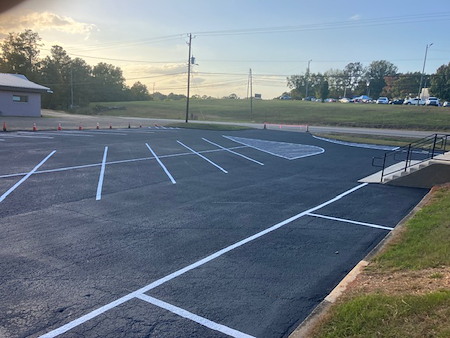
Keeping a lot readable and safe starts with timing. In Montgomery’s hot summers and rainy spells, choosing the right window for sealcoating and parking lot striping makes the difference between crisp, long-lasting lines and work that fades too soon.
If you manage property near Downtown, EastChase, Cloverdale, or Midtown, you know the weather can swing fast. This guide explains the best seasons, ideal weather, and scheduling ideas so your surface cures well and traffic keeps moving.
Why Timing Matters In Montgomery’s Climate
Montgomery sits in a humid subtropical zone. Heat, sun, and frequent summer storms all affect how coatings cure and how paint bonds to the pavement.
- Heat speeds drying, but can flash-dry paint before it bonds.
- High humidity and sudden rain interrupt cure time and can stain fresh work.
- Cooler nights slow curing, so planning around temperature swings is key.
Always plan work when the surface can stay dry for the full recommended cure window. A clear 24 to 48 hours is a common target, but your site conditions may require more time.
Best Seasons For Parking Lot Striping In Montgomery
Striping prefers warm, dry air with steady temperatures. In Montgomery, late spring and early fall often give the most dependable windows, while early mornings in summer can also work before afternoon storms pop up.
Weekend or evening projects help businesses near the Riverfront and EastChase avoid interruptions. Crews can stage cones and barricades so lanes reopen as soon as the paint sets.
Ideal Weather Windows for Sealcoating
Sealcoating needs a dry surface, no active rain in the forecast, and temperatures that stay reliably warm. Aim for stretches when daytime highs are solid and overnight lows won’t dip too cool.
- Look for low rain chances for at least one to two days.
- Schedule when overnight temps stay steady so the film cures evenly.
- Limit shade and puddling by blowing and cleaning before work begins.
Watch the forecast hour by hour, not just the daily summary, especially during summer storm season. A short downpour at the wrong time can extend closure and create surface blemishes.
Traffic Planning and Business Downtime
Great timing protects your revenue as much as your pavement. Plan phases that keep customer routes open and emergency access clear. For busy corridors near schools or large churches, coordinate around peak arrivals and events.
Many property managers in Midtown and Cloverdale split work into halves or quadrants. That way, one side stays open while the other cures. Staggered barricades and clear temporary signs guide drivers, delivery trucks, and rideshares safely.
Local tip: Summer pop-up storms are common. Build a weather buffer into your schedule so the lot can stay closed if clouds linger. That small cushion protects curing and prevents tracking from tires and shoes.
Signs Your Lot is Ready for Sealcoat and New Lines
Don’t wait for complaints or near-misses. Walk the lot and look for simple clues that it’s time to refresh.
Common signals include:
- Faded or blotchy lines that disappear at dusk or in rain.
- Traffic flow confusion in aisles or at stop bars.
- Chalky, dry-looking asphalt that absorbs water quickly.
- Oil-stained areas where coatings no longer protect the surface.
- ADA markings and symbols that aren’t clearly visible.
When several of these show up at once, plan a full sealcoat and immediate restripe so the lot looks uniform and reads well.
How Long to Wait Between Sealcoating and Striping
Stripe after the sealcoat has cured enough to accept traffic and paint. The exact interval varies with temperature, humidity, shade, and ventilation in your lot.
Rushing to paint on a soft film can trap moisture and shorten the life of both the sealer and the markings. A careful wait protects adhesion, line sharpness, and color brightness.
Local Scheduling Tips Around Events and School Calendars
Montgomery’s calendar can guide your plan. Many managers schedule work when campuses, offices, or government buildings have lighter loads. For retail near EastChase, early weekday mornings outside holiday peaks reduce traffic conflicts.
Coordinate with service providers, landscapers, and waste pickup so heavy trucks don’t roll across fresh surfaces. Good communication keeps the schedule tight and the finish clean.
Maintenance Cadence to Keep Curb Appeal Year-Round
Think of your lot like a storefront. Consistent upkeep signals safety and care to customers and tenants. A recurring plan helps you avoid panic projects before inspections or big events.
Simple cadence ideas:
- Quarterly walks to note fading, ponding, and sign visibility.
- Seasonal cleaning to remove sand, leaves, and oil that break down coatings.
- Prompt pothole or crack repairs before water intrudes under the surface.
If you’re not sure where to start, your best next step is an on-site assessment from a local pavement maintenance company that knows Montgomery weather patterns and traffic rhythms.
Design Considerations When You Re-Stripe
Refreshing the layout is a chance to improve flow. Review stall angles, loading zones, and pedestrian paths, especially at busy storefronts and multifamily communities.
Make sure ADA stalls, access aisles, and route markings are visible and placed per current guidance. High-contrast symbols and clear directional arrows reduce confusion and keep vehicles moving calmly.
Weather Contingencies and Communication
Build a plan B. If a summer thunderstorm forms over the Riverfront, shift the phase, extend barricades, or push to a backup date. Clear messages to tenants and customers reduce frustration and help everyone respect closures.
Use email, texts, and simple maps to show which aisles are closing and when they’ll reopen. Mark alternate entrances early so the detour feels natural.
Why Professional Application Pays Off
Experienced crews read the sky, the surface, and the schedule. They use materials that match your pavement, traffic level, and branding colors, then stage the site so lines are razor sharp and durable.
You also get help setting the right weather window and sequencing phases to keep operations smooth. That way the lot in Downtown, Midtown, or near Maxwell AFB looks fresh without surprising your customers.
Plan Your Refresh The Smart Way
Here’s a simple way to think about timing in Montgomery:
- Choose stable weather in late spring or early fall when possible.
- Use early mornings in summer before heat and storms build.
- Protect cure time with clear barricades and light traffic loads.
- Revisit your layout so ADA spaces and flow are crystal clear.
When these pieces line up, coating cures harder and paint bonds tighter. The result is a safer, better-looking lot that lasts longer between refreshes.
Ready for expert help that fits your schedule and the forecast? Call Your Striping Guy LLC at 334-300-0260 and book a site walk today.